Updated December 9, 2025 at 7:24 a.m
My breath caught in my throat as the train thundered towards a tunnel. The wind roared through the open door and into the vestibule, where I was pushed to the side, wincing at the noise. Fighting the urge to tighten the hood again, I watched as a thirty-something Turkish man leaned out as the train now circled a sage-green reservoir while an Indonesian student stood just behind, waiting his turn.
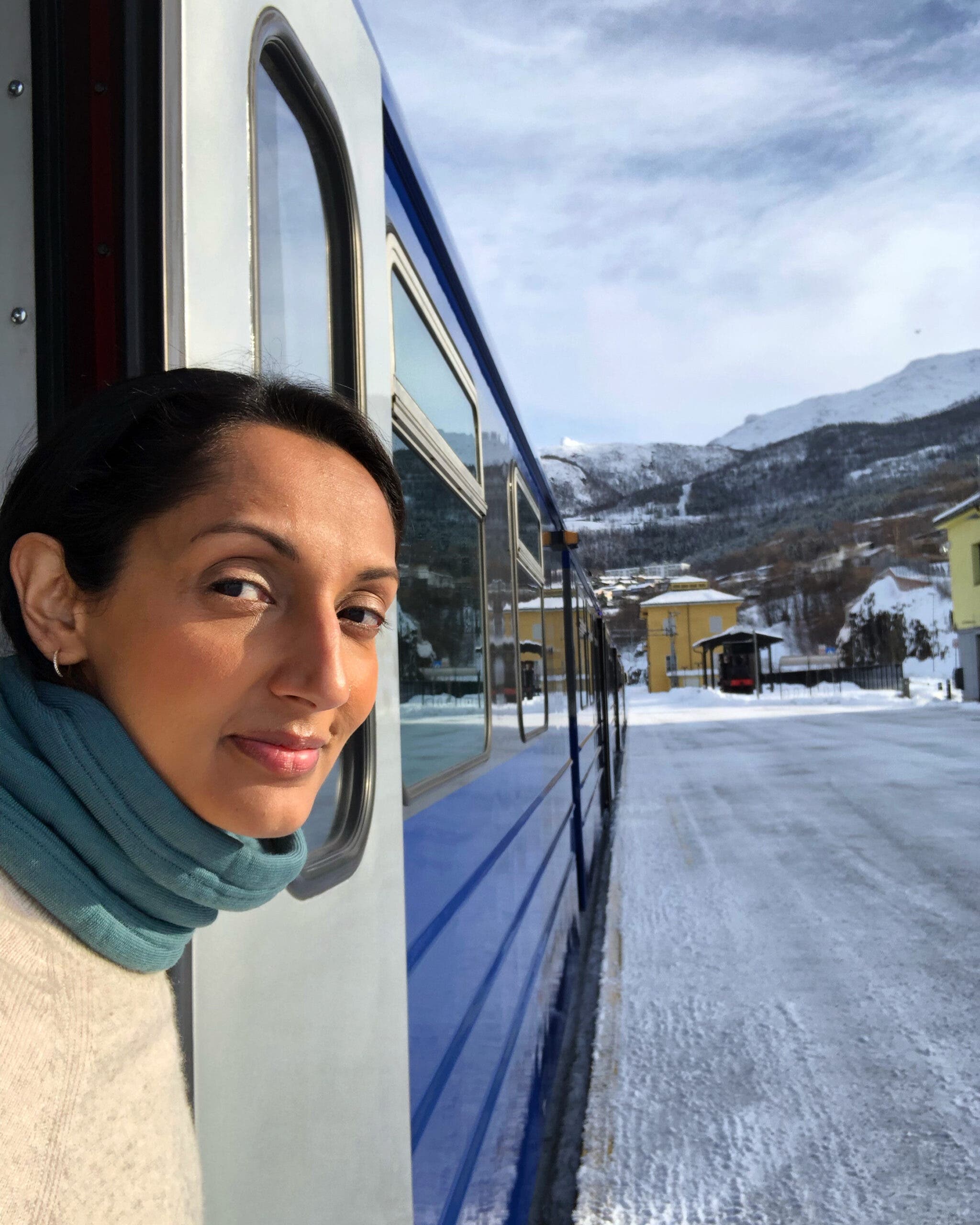
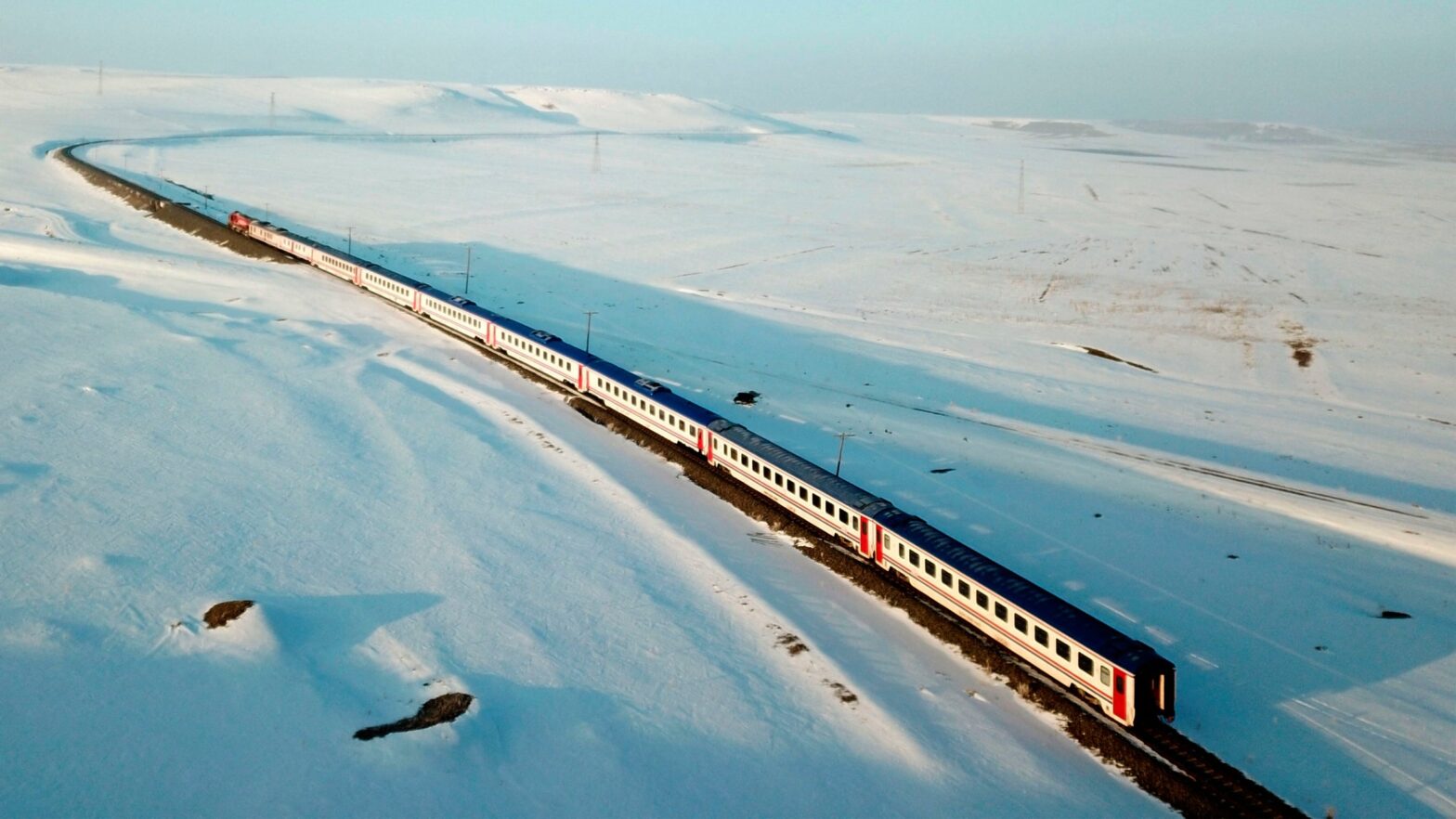
I rode the Doğu Express, a 26-hour sleeper train that runs between Ankara and the city of Kars in northeastern Turkey, not far from the Armenian border. A few days earlier I had set off by train from London to Istanbul to try to retrace the original route of the Orient Express on night trains via Paris, Vienna and Bucharest. But when I arrived in Istanbul, I decided to extend the journey by sleeping car to Ankara and across Turkey.
Although it has been around since the 1930s, the Doğu Express – meaning “Eastern Express” – has become a sought-after trip after a Swedish social media influencer posted footage of carriages plowing through large snowdrifts at the foot of the Anatolian mountains, alerting Turkey's local tourists to a spectacular ride many had never heard of.
For four years, I've been excited about the resurgence of sleeper trains – particularly in Europe – that emerged after lockdown as the climate crisis forced travelers to find less damaging ways to move around the world, while others felt the desire to slow down and engage more with the people and places they passed.
Many on these trains reconnected with their families and spent time together on board. On the Santa Claus Express, which travels through the heart of Finnish Lapland from Helsinki to Rovaniemi, I encountered families from all over the world munching on reindeer stew and steaming meatballs while sitting on an ordinary passenger train heading toward the Arctic Circle, bridges and inky lakes glittering in its wake. On the Norrland overnight train from Stockholm to Narvik, Norway, I met a newly engaged couple searching for the Northern Lights along with a group of elementary school teachers on a friendly trip to the Swedish town of Kiruna, a cross-country skiing paradise and an important destination for encountering indigenous Sámi culture.
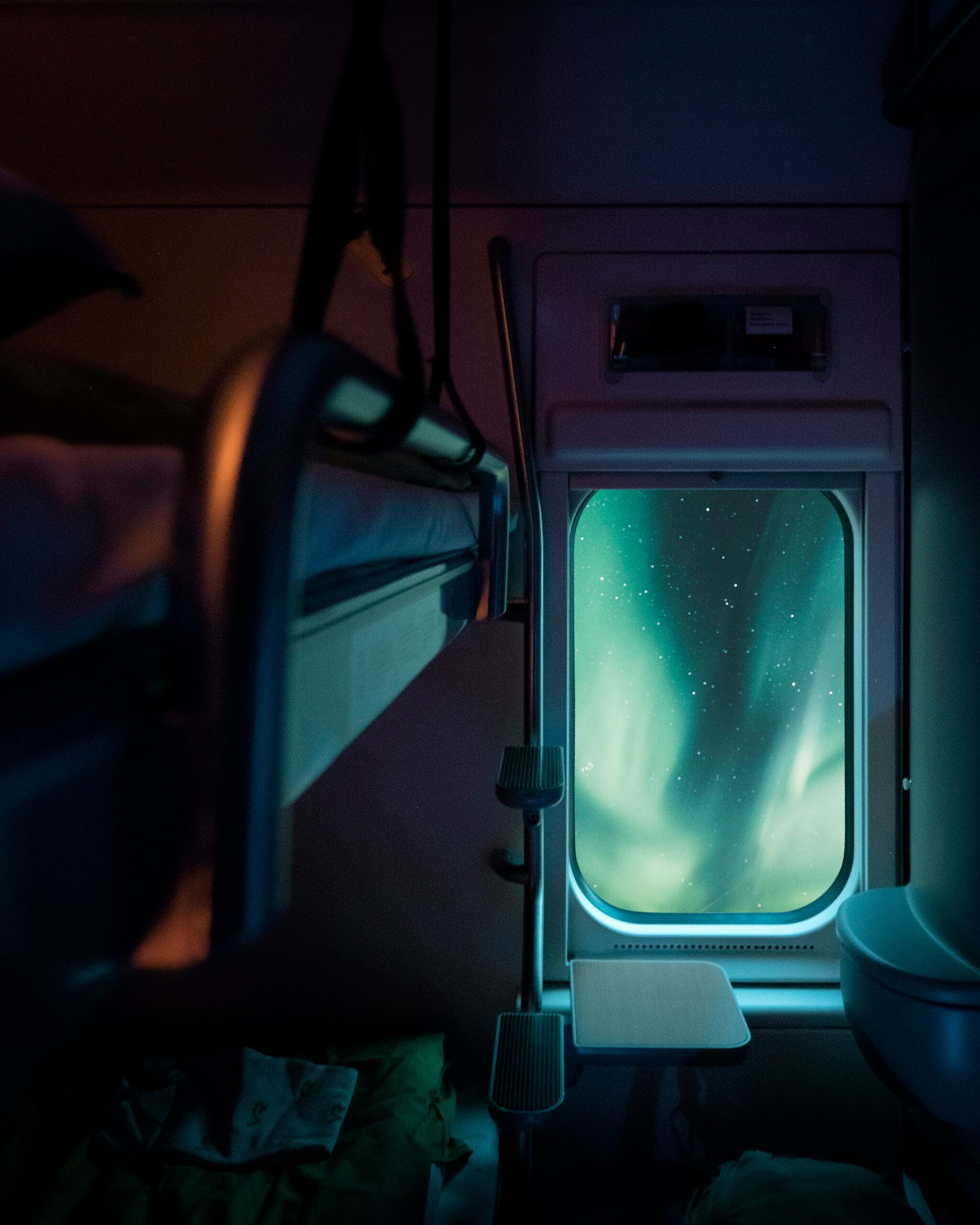
And me? Nothing feels more home than listening to the steady breathing of my fellow travelers, then shuffling to the window and pulling up the blinds for one last look before bed: watching households wind down for the night, the blue light of televisions blinking in darkened living rooms; or look into the eyes of a dog walker, an office cleaner, or a tired mother holding up her wide-awake baby to wave at a passing train.
To my relief, the Turkish passenger stepped back inside, shook the snow from his hair, and stared at me through foggy glasses, the mirth draining from his damp clothes.
“This is great, I love it, I love snow, I can’t wait for there to be more snow in Kars to jump into,” he said. He, a driver and part-time actor from Antalya in southern Turkey, said he was only on the train because of the snow and ice, which he had never seen before.
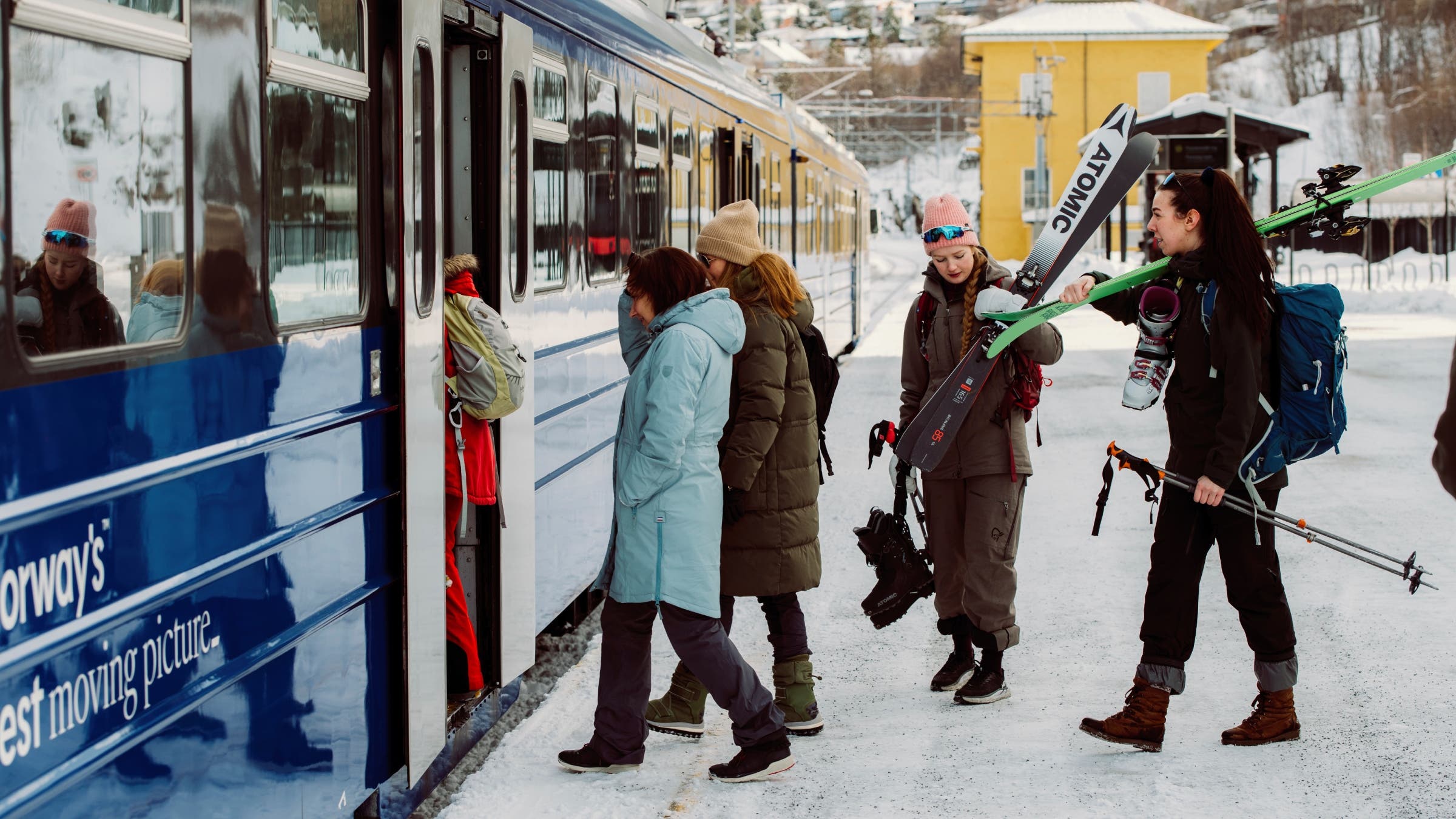
Aside from thrill-seeking, most passengers traveled from Kars to explore the medieval city of Ani, an abandoned collection of Byzantine and Ottoman ruins with citadels, churches and ruined mosques. Others were on their way to the Sarıkamış ski resort in eastern Anatolia, known for its dry powder snow. Wind-free thanks to the surrounding Kötek forest, it is a little-known refuge for adventurous Turks seeking a shock of cold followed by the cosiness of blood-red Turkish tea and the steam of a traditional hammam.
In a way, it was the reason I was on board this train, which allowed me to enjoy the cool beauty of the frozen landscape from the warm confines of a sleeper compartment, blankets up to my chin, drinking a cup of tea and watching shards of ice hit the window. I made my way to the dining car, where the hustle and bustle of conversation and the smell of strong coffee and freshly grilled kebabs came together to create the feeling of being in a friend's open kitchen. Around me, passengers of all ages from Germany, the United States, England and Turkey crowded into cabins, making friends, sharing boxes of pistachio pastries and admiring the wilderness where squalls of snow swept through the window and obscured the peaks of the mountains.
I didn't always sleep on these trains, a mix of excitement and curiosity kept me awake, along with the rumbling and clattering of the wheels. But in the morning, when I pulled up the blind and saw the first pink of dawn as the sky cleared to make way for the day, all was forgiven. I didn't need to hang from an open door to feel alive. All I needed was this quiet moment. And I would try to hold on to it for as long as I could while the world continued to speed past me.
Hop on these new night trains this winter
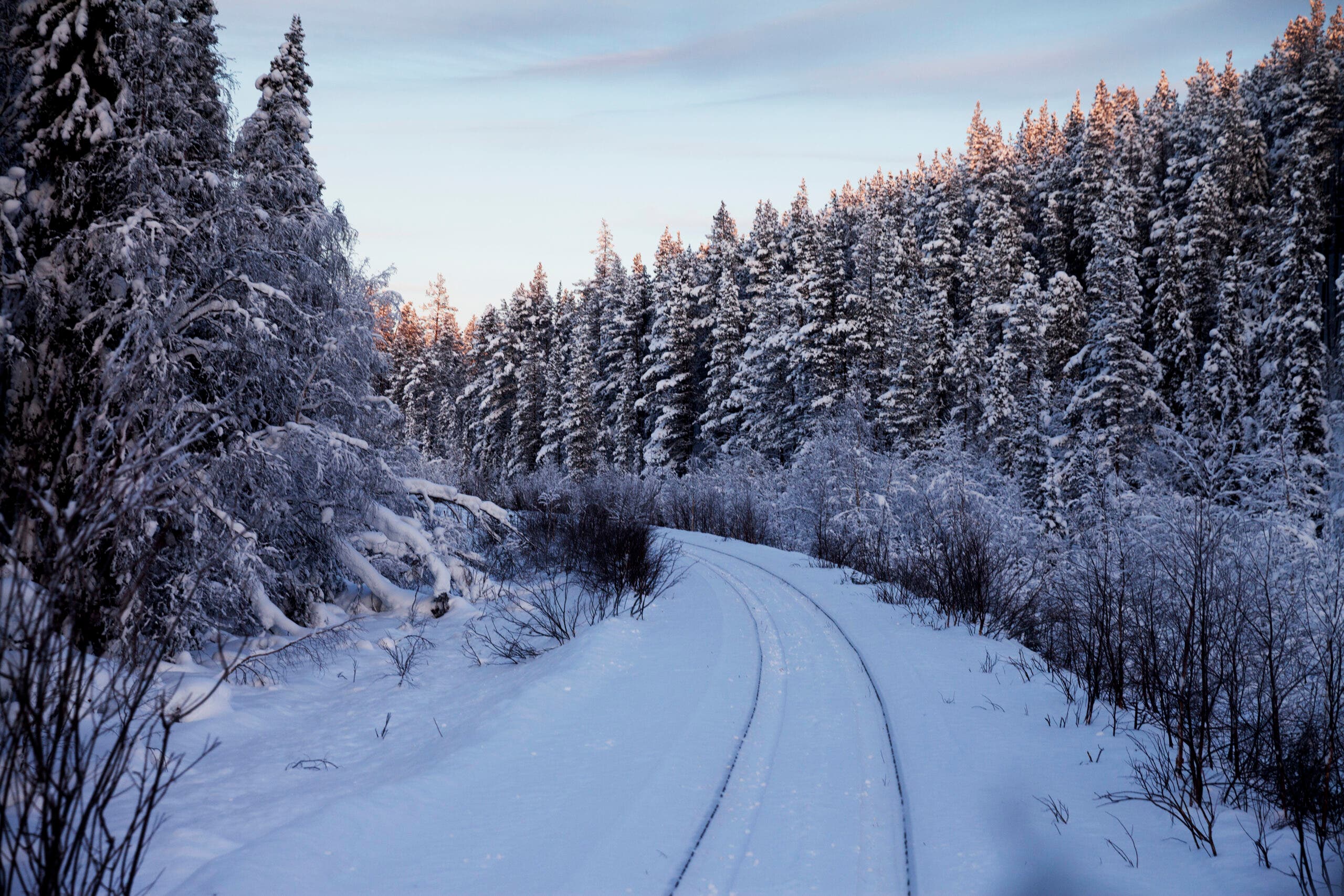
Three new and revitalized train routes make it easier than ever to experience powder and adventure this winter.
Travelski Night Express: From Paris to the northern French Alps
For lovers of the classic ski train atmosphere – where no one gets on to sleep – this new sleeper service starts in December and runs until March 2026. It departs from Paris Austerlitz on Friday evenings and arrives in Moûtiers, Aime or Bourg-Saint-Maurice the next morning.
Accommodation includes couchette compartments for six people, which can be booked privately, and those for women traveling alone at no additional cost. The train must be booked as part of a package including transport, accommodation, transfers and ski pass.
Snälltåget: From Sweden to Austria's ski resorts
The Snälltåget means “the friendly train” and is a low-cost service aimed at leisure travelers who want to make the journey part of their destination. This winter, the night train will run from mid-December to mid-March, taking passengers from Malmö to Innsbruck in Austria on Fridays.
There's a restaurant car onboard called Krogen that serves everything from overnight baked chuck roast to vegan tomato chili. So reserve a table and settle in for an evening of cozy conversation and hearty meals before continuing your rattle through the snowy landscapes.
Eurostar snow train: From London to the French Alps
Departing from London's Saint Pancras station on Saturday mornings, the Eurostar will soon offer passengers the opportunity to travel directly to ski resorts with limited winter service. From December 20 until the end of March, trains will operate as usual to Lille, France, where passengers can hop on and off a connecting Eurostar to Bourg-Saint-Maurice via Chambéry, Albertville, Moûtiers, Aime-la-Plagne and Landry, a seamless journey that takes travelers right to the foot of the slopes.
Monisha Rajesh is a British journalist and author who writes for the railways Financial Times, National Geographic Traveler UK, Conde Nast Traveler And Travel + leisure among other things. Her latest book is Moonlight Express: Around the world by night train.