The water leaving your washing machine could soon be much more environmentally friendly thanks to anchovy. A filter inspired by the tiny fish could remove microplastics from water runoff, preventing them from entering local waterways.
When most people think of microplastics, they probably imagine water-based plastic waste that breaks down into tiny fragments. And yes, that garbage does represent a large part of the problem.
But the synthetic fibers that clothing loses during washing are also a significant source. These fibers leave people's homes via sewage pipes and ultimately end up in rivers, lakes and/or the sea. Like other microplastic particles, they enter the food chain when they are consumed by fish and other organisms.
Researchers are still trying to understand how ingesting microplastics can affect people's health. However, harmful bacteria are often attracted To the plastics that live on or around them – and we definitely shouldn’t eat or drink these microbes.
All of which brings us back to anchovy, as well as fish like sardines and mackerel.
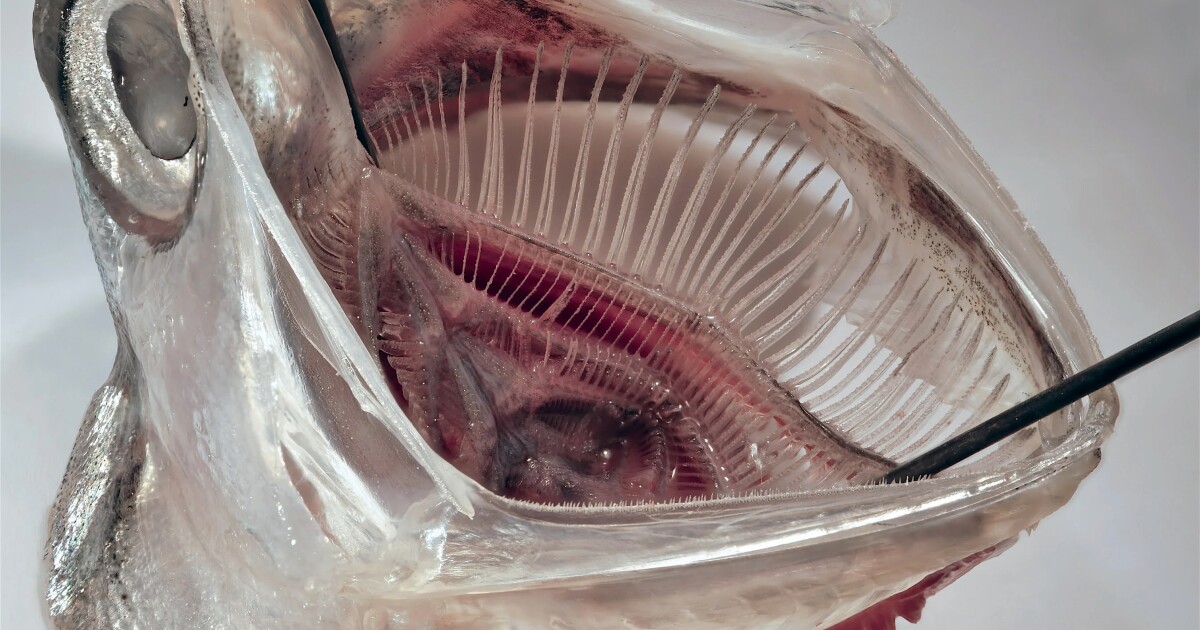
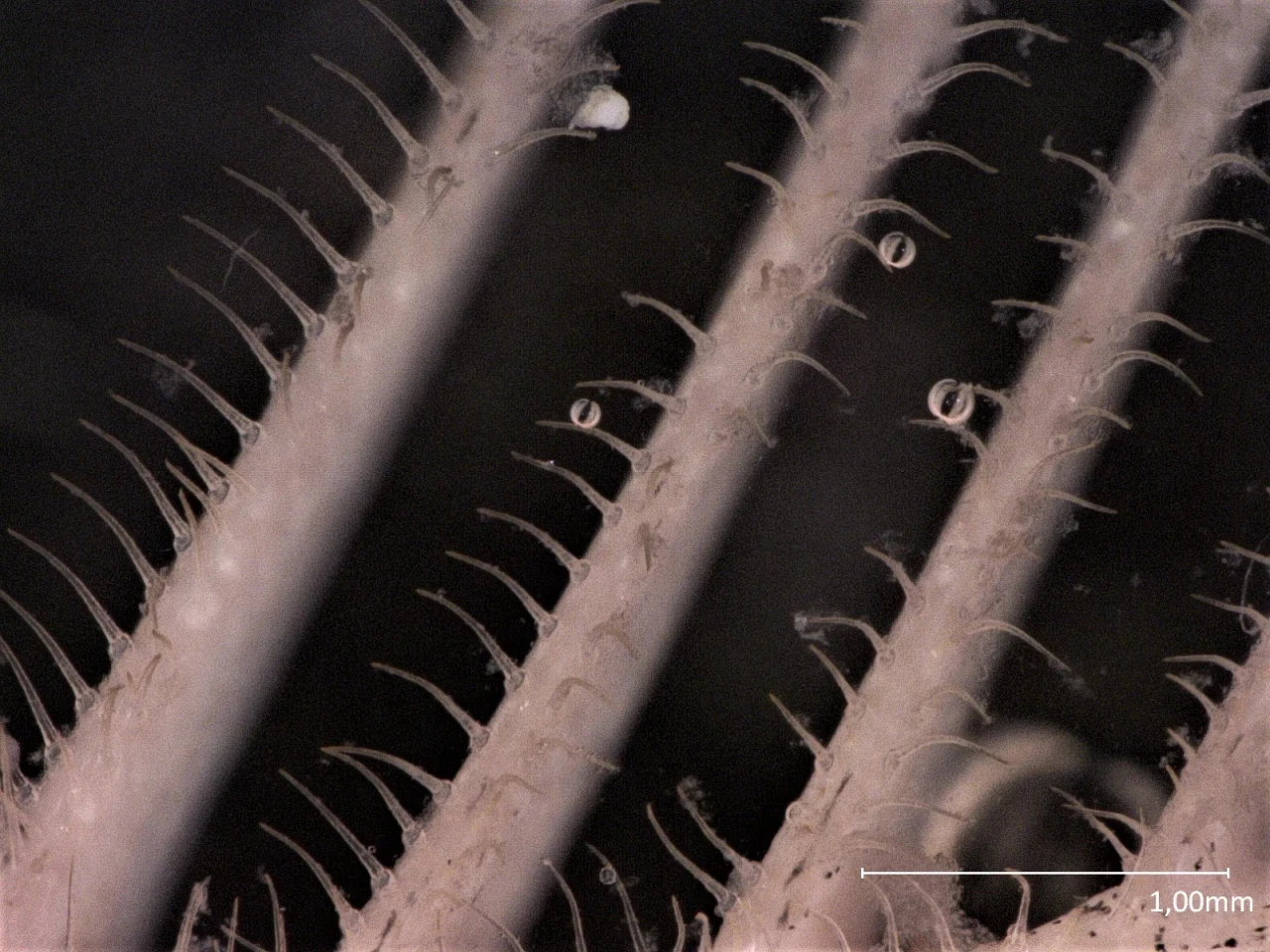
They feed by swimming with their mouths open, allowing water to flow through a funnel-shaped arrangement of arches in their gills. Each of these “comb-like” arches is in turn covered with small teeth that allow water to pass through but prevent plankton from getting out.
University of Bonn
However, the plankton doesn't just stick to the teeth. Instead, the stream of incoming water rolls the trapped plankton to the back of the funnel, where it collects in the fish's esophagus until it swallows it.
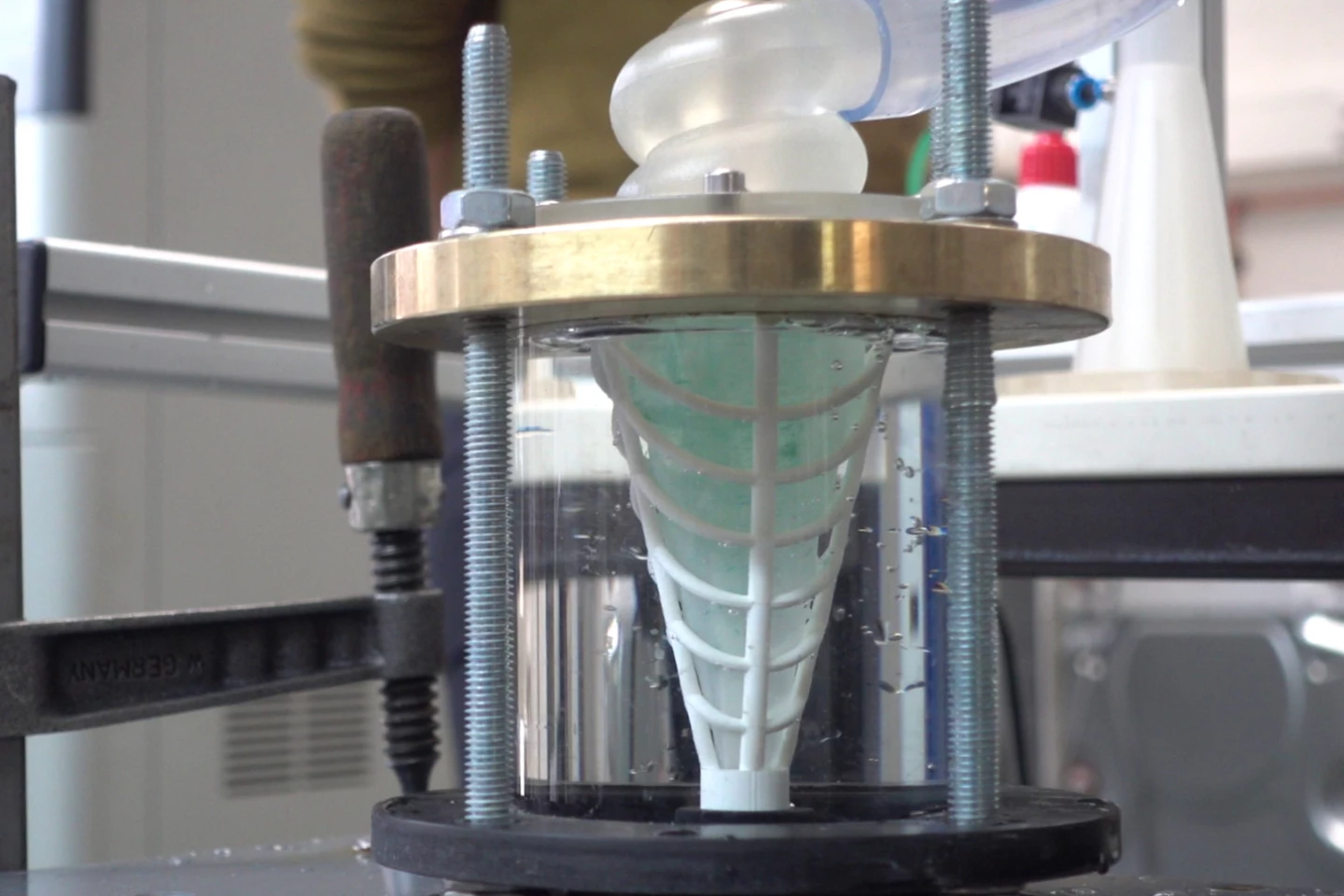
Inspired by this clever system, Dr. Leandra Hamann, Dr. Alexander Blanke and colleagues at the German University of Bonn are working on replicating it in a device that could be integrated into a washing machine.
University of Bonn
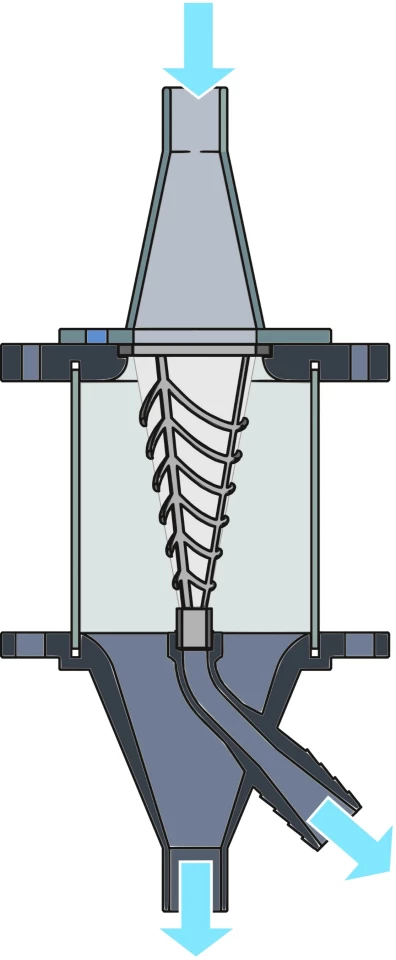
The resulting prototype mimics the gill arches via multiple arch-shaped support structures that can accommodate commercially available filter nets and is capable of filtering over 99% of microplastic fibers from wash water without clogging. What is important is that it is so not mechanically complex, so manufacturing should be cost-effective.
The fibers filtered from the water are sucked out and stored several times a minute. Later, the washing machine is supposed to press and dry these concentrated fibers into a compact pellet, which is then disposed of with household waste.
University of Bonn
“I would say it is not far away from commercial use. It requires optimization of the housing, the implementation of pressure sensors to automate the cleaning intervals and a solution for storing concentrate after removal from the filter,” says Hamann.
“It would also be necessary to test the filtration efficiency of other types of particles commonly found in washing machine wastewater, such as hair, cotton fiber, sand, dust, etc. […] If a large filter company were to take on these final experiments and design and manufacturing challenges, it could be ready within a year or two.”
An article about the research was recently published in the journal npj Emerging pollutants.
And no, this isn't the first fish-inspired microplastic removal device we've seen. In 2022, Eleanor Mackintosh, a chemistry student at the University of Surrey, actually designed a filter-feeding robotic fish that could theoretically take on this task.
Source: University of Bonn