Twentieth-century architects Alison and Peter Smithson are widely revered for their brutalist architectural work that defined an era and remains highly influential today – such as Robin Hood Gardens (part of which is now on display at the V&A East Storehouse) and The Economist Tower, both in London.
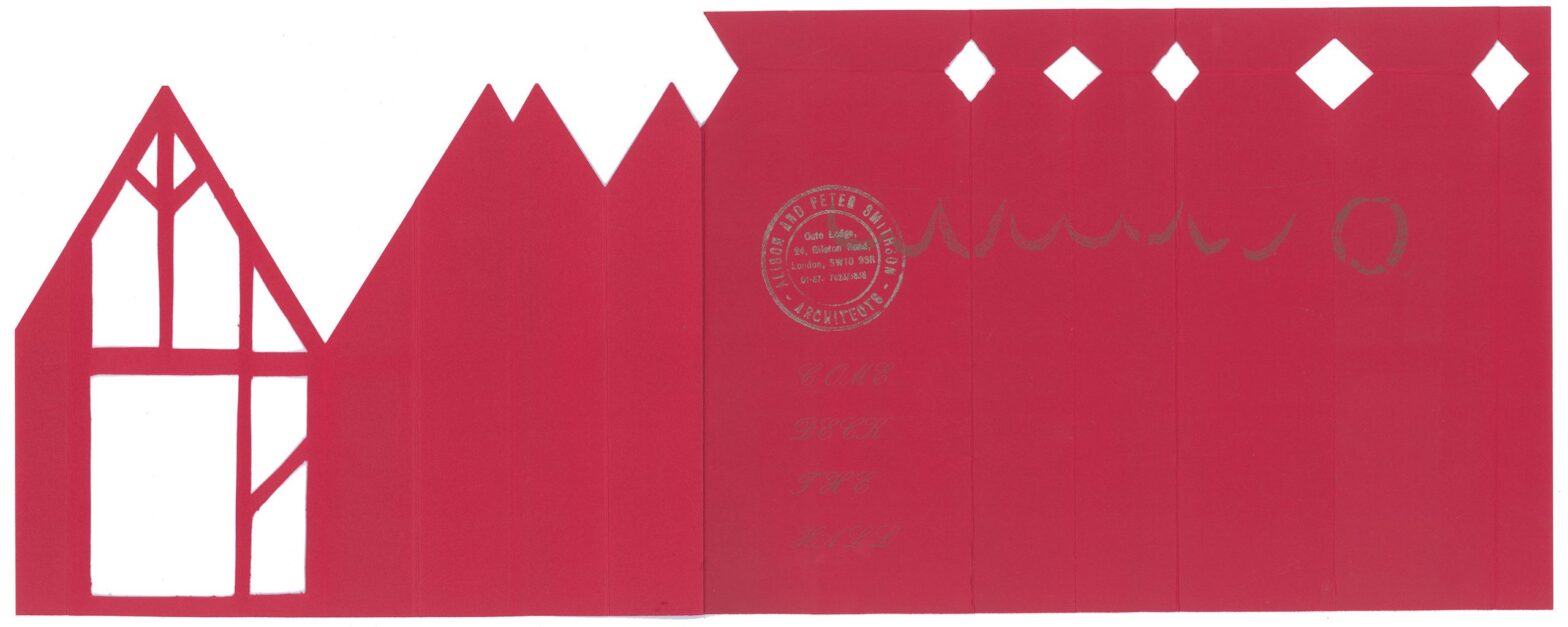
What is perhaps less known is their passion for Christmas cards, of which Alison creates new versions every year, often offering a sneak peek into the couple's ongoing designs.
(Image credit: Alison Smithson)
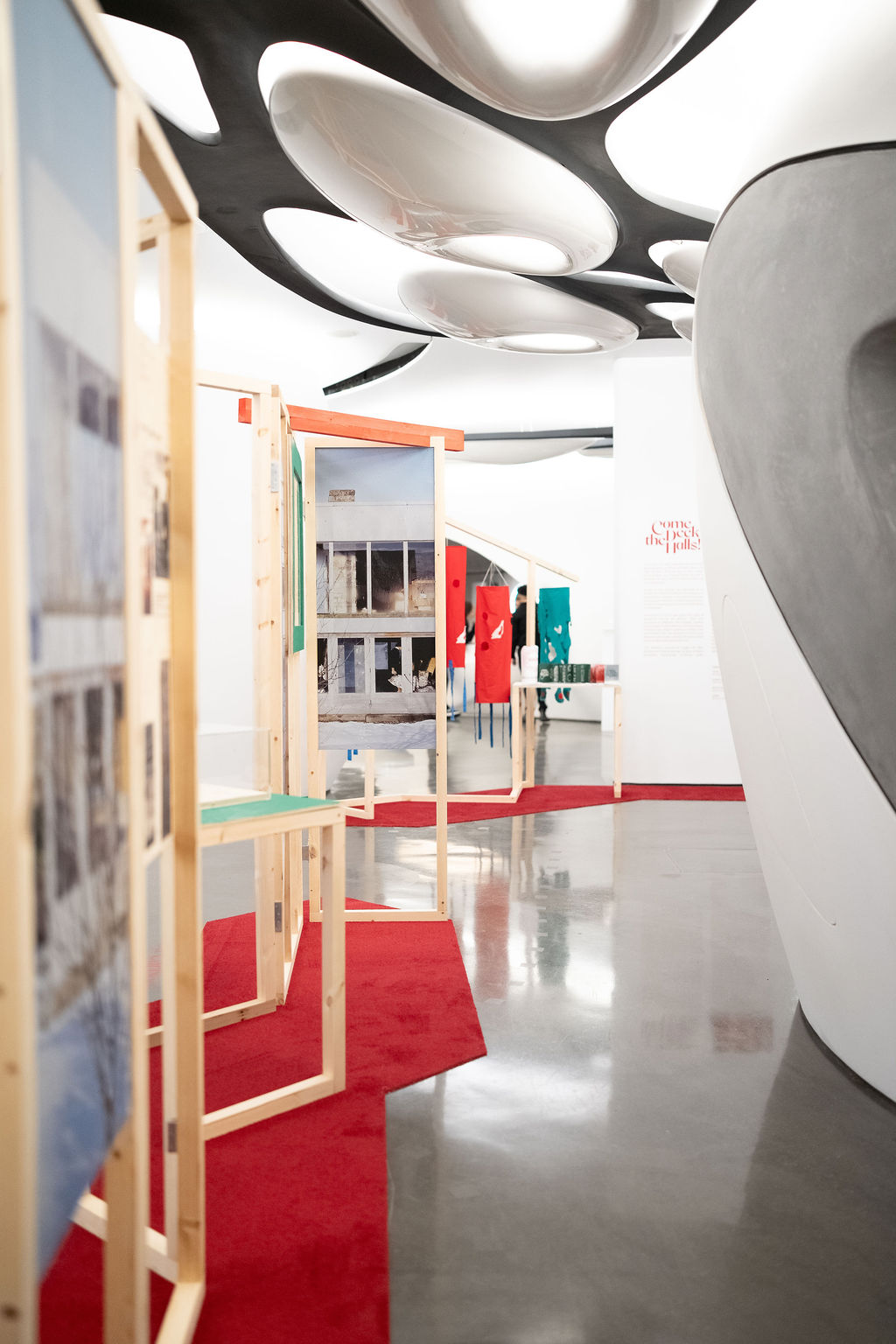
The rich collection of Christmas greetings remains in the family today and, just in time for the holidays, is the subject of a new exhibition, now on display at the Roca London Gallery. The exhibit, titled “Come Deck the Halls!” invites visitors to immerse themselves in the Christmas spirit and the architectural ideas of the Smithsons.
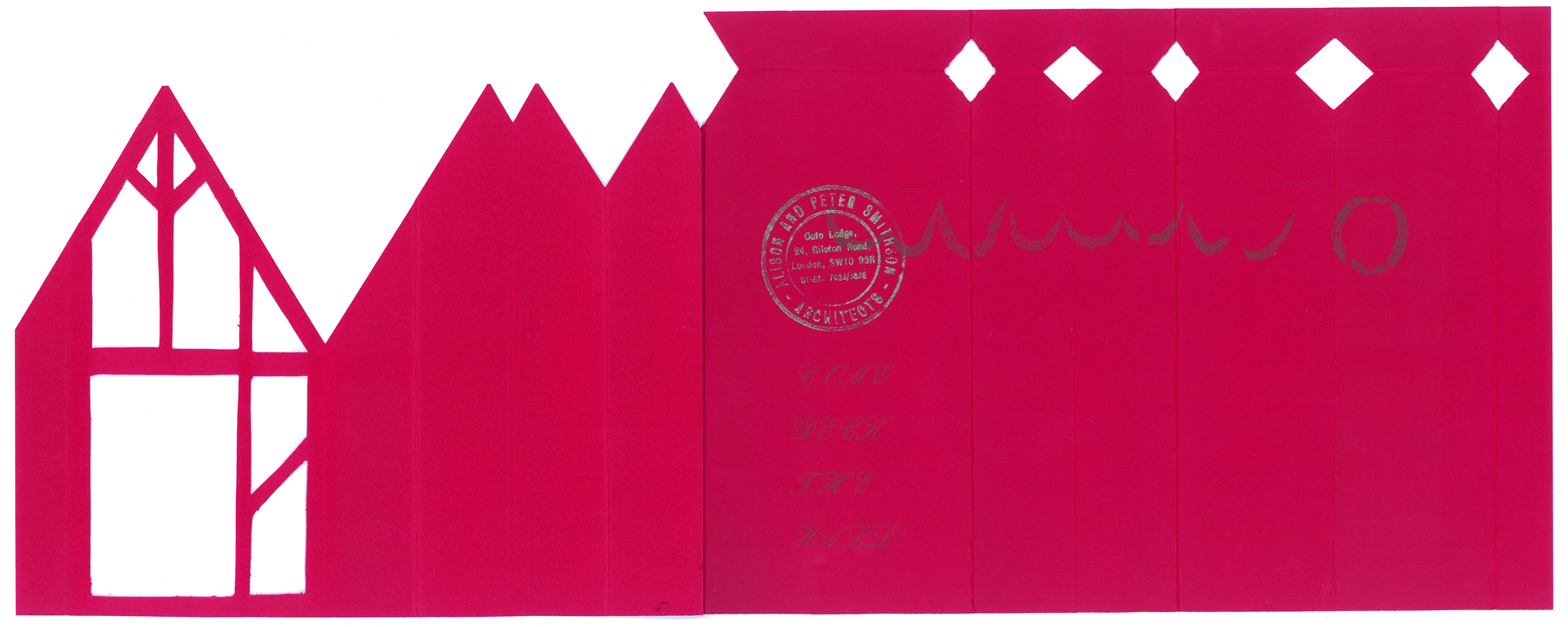
Alison Smithson, exterior view of a 1977 Christmas card, unfolded
(Image credit: © Smithson Family Collection)
The exhibition was organized by the couple's daughter, Soraya Smithson, and Ana Abalos Ramos, a scholar whose doctoral dissertation was on the Smithsons' work, including the Christmas card project.
The organizers explain the thinking behind the architects’ approach: “In each of their projects [the Smithsons] advocated an architecture that finds fulfillment in the presence of users and their activities. In her vision, occupation not only gives meaning to architectural spaces, but can also be viewed as an art form in itself: the art of living.”
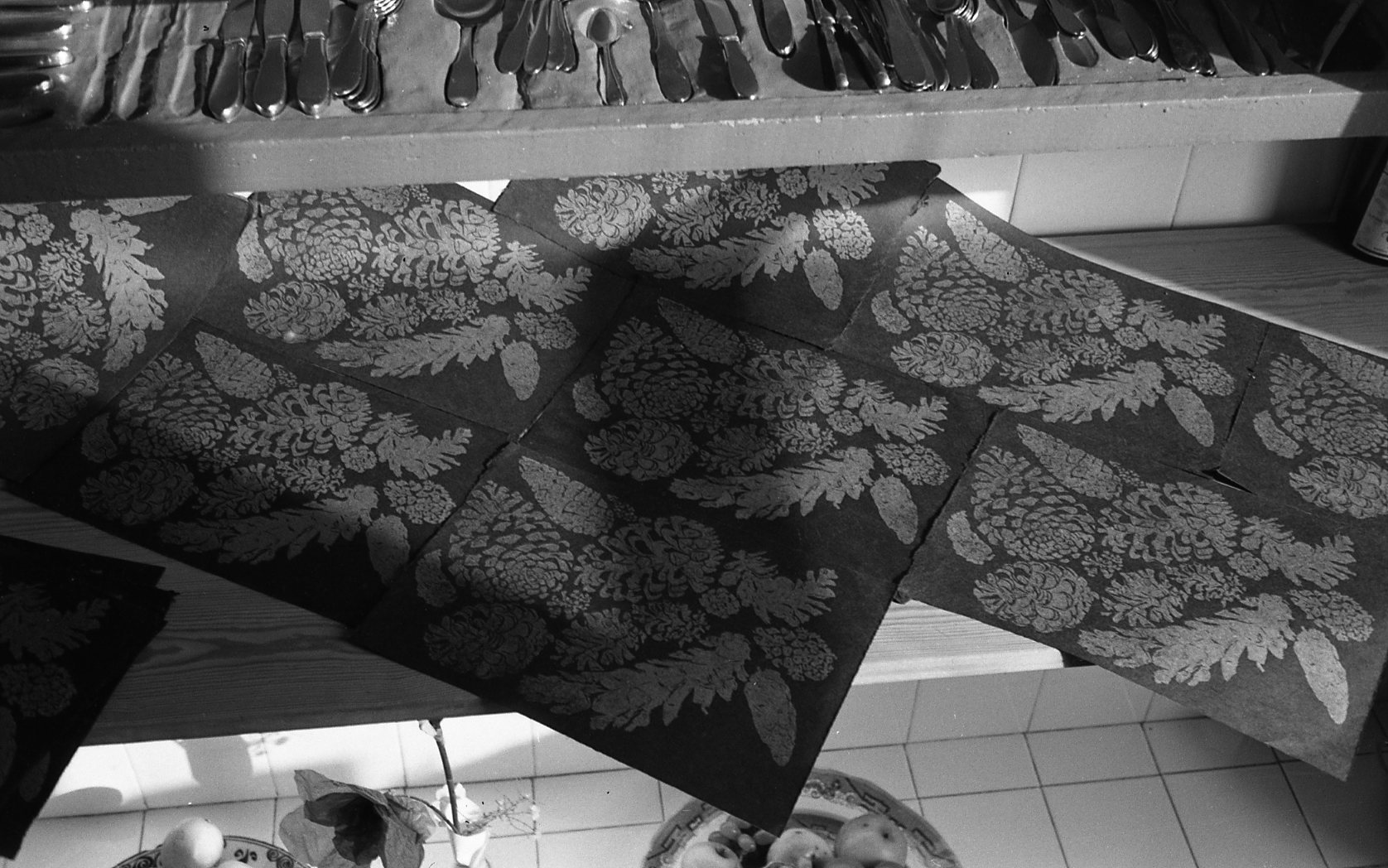
1970 map being prepared at Priory Walk
(Image credit: © Smithson Family Collection)
Alison made cards every year, a tradition now carried on by Soraya, who has also been making her own cards since she was a child. The architect had planned an exhibition of the maps in connection with her ideas for living in 1981, but this never took place.
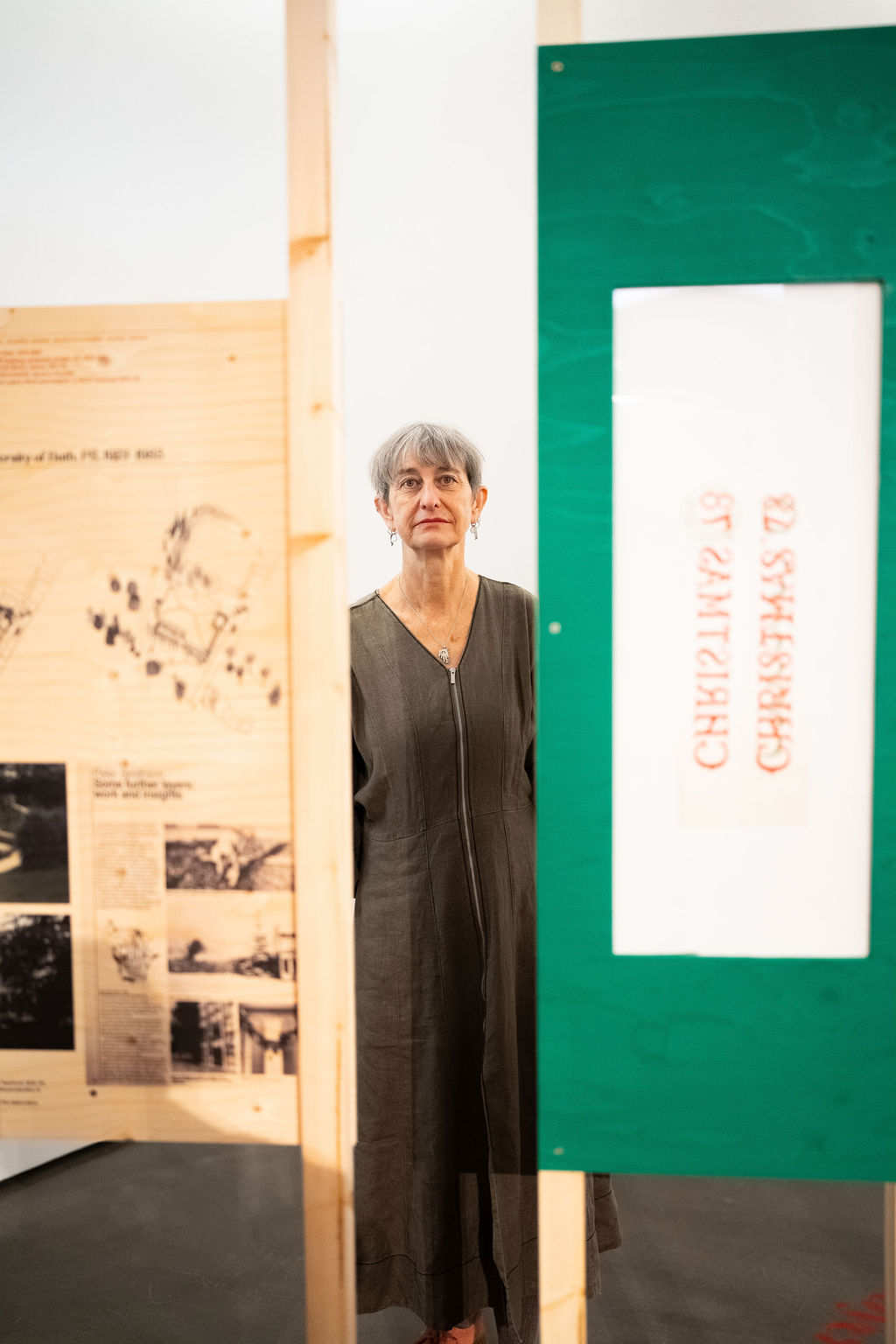
Soraya Smithson, photographed at the show
“Showing these cards offers a really interesting aspect of understanding my mother and in a way both.” [parents’] practices because everything was very intertwined,” says Soraya. “And even though there was a door separation, there wasn't really a blank line between what was happening in the office and what was happening at home.” In the evening after dinner, my mother sat on the sofa, watched TV and did the cutting. We [the children] We always made our own cards too. I have cards from when I was eight.'
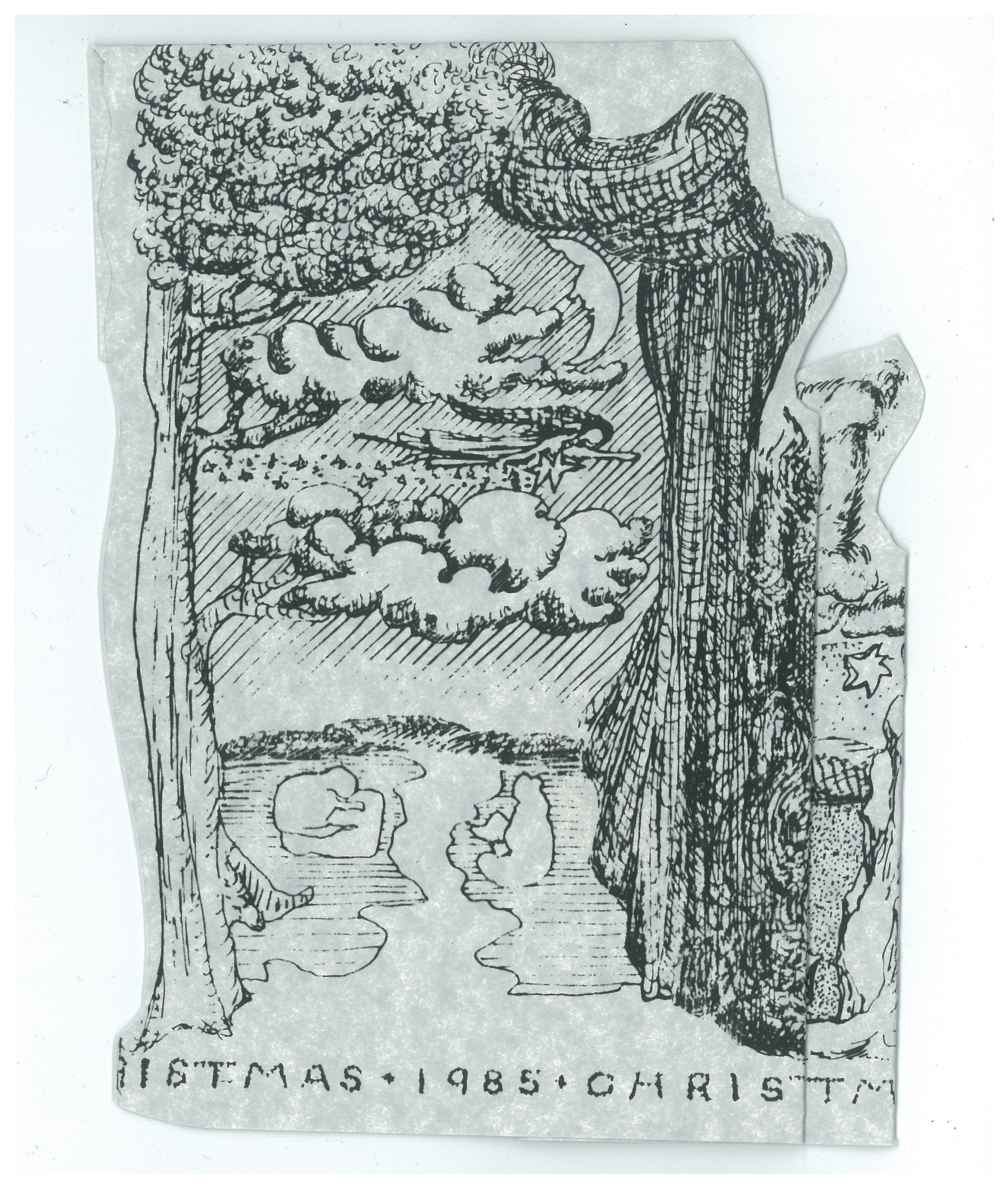
Alison Smithson, 1985 map folded
(Image credit: © Smithson Family Collection)
The Smithsons' diverse output spanned a wide range, as they viewed architecture as something beyond the physical form of a building, and the cards, although a functional object sent to friends and relatives during the holidays, fed into their broader research.
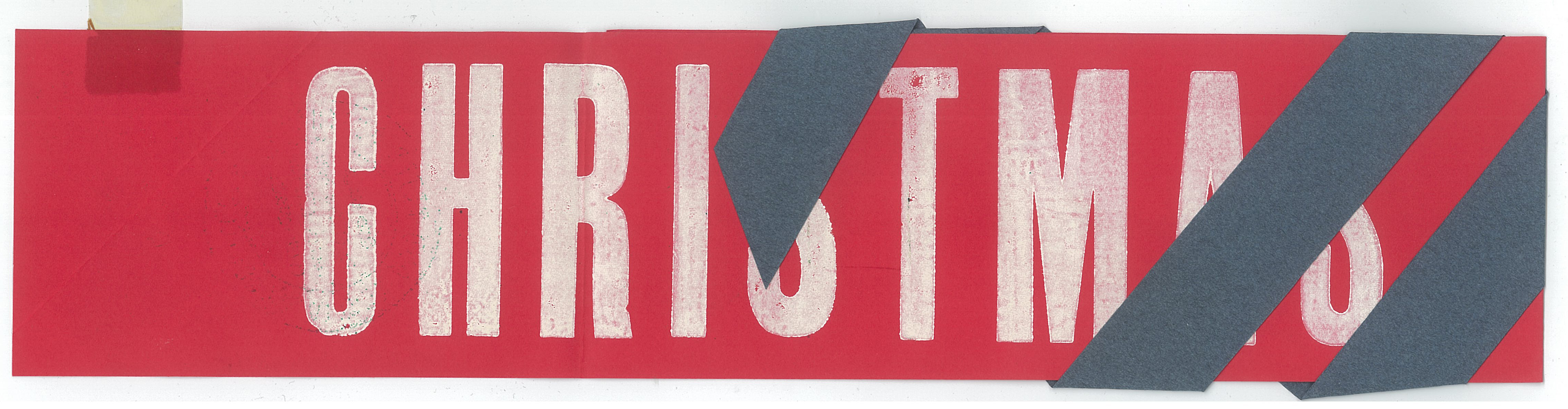
Therefore, the cards often reflected current fascinations of the time in which they were created. Soraya explains, “There are early lino prints and cuts that she really enjoyed.” Then in their later works there are a whole series of series that deal with grids that have echoes of the buildings and furniture designs they built. And there is a time when there are a lot of them that are more stand-up, almost Diarama style.”
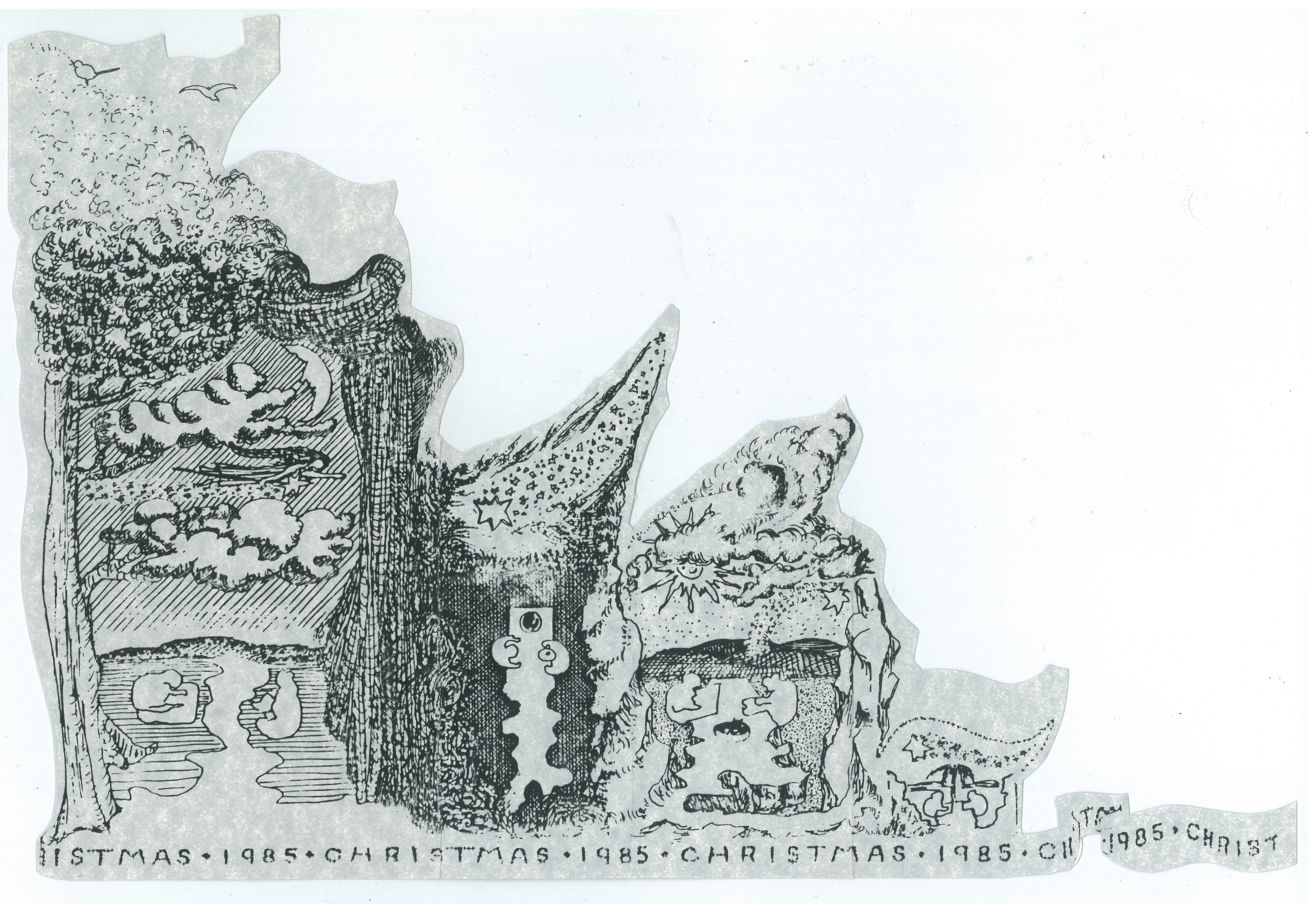
Alison Smithson, 1985 card interior
(Image credit: © Smithson Family Collection)
“Alison Smithson chose Christmas as an occasion to explore what she saw as an urgent need to renew a sense of collective responsibility for the appearance and use of places,” says Abalos Ramos. “The exhibitions were a way to bring the couple’s ideas to a wider audience.”
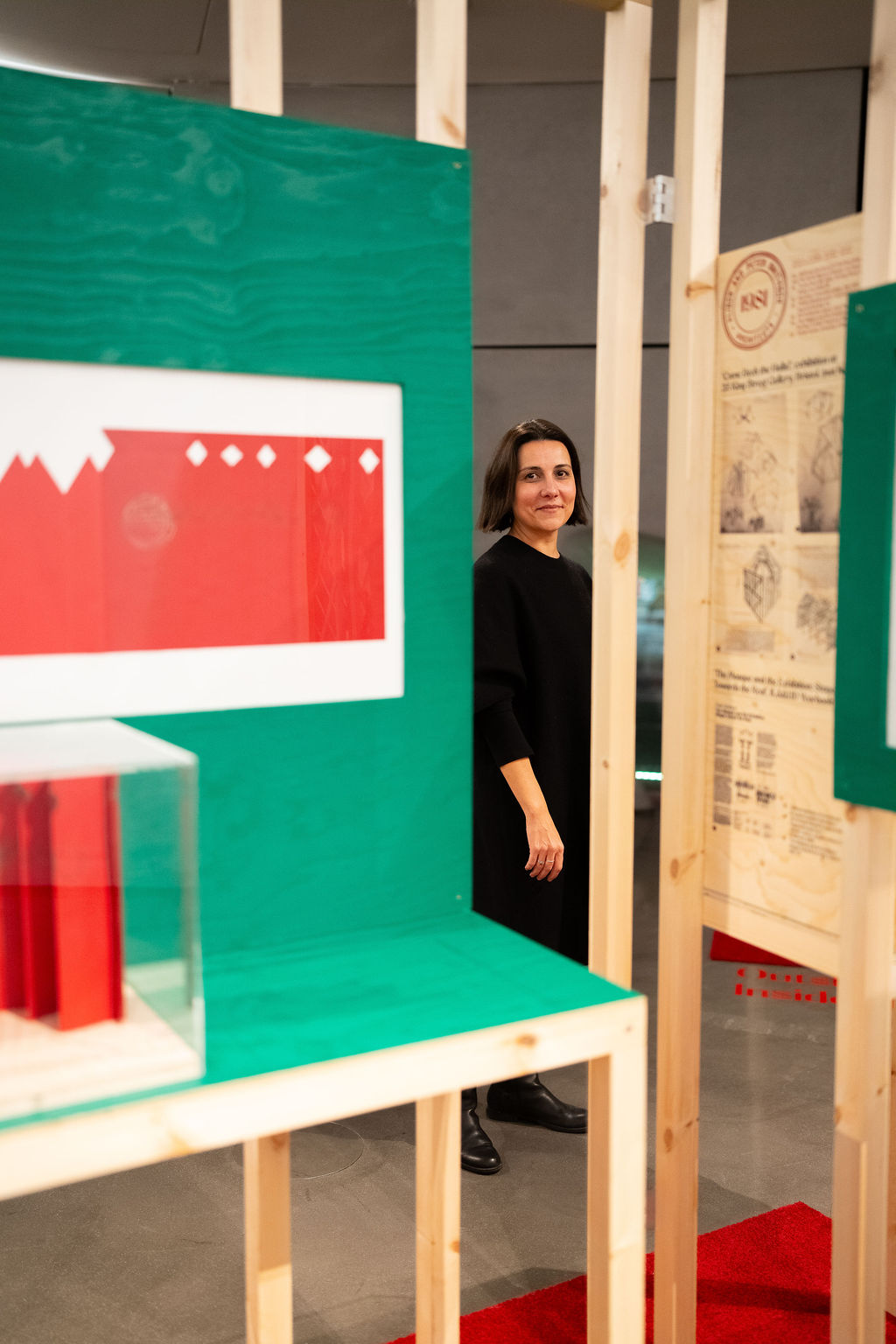
Ana Abalos Ramos, photographed at the show
“That’s why I decided to bring her exhibition back to life, both in her honor and as a way to continue her work,” adds Abalos Ramos.
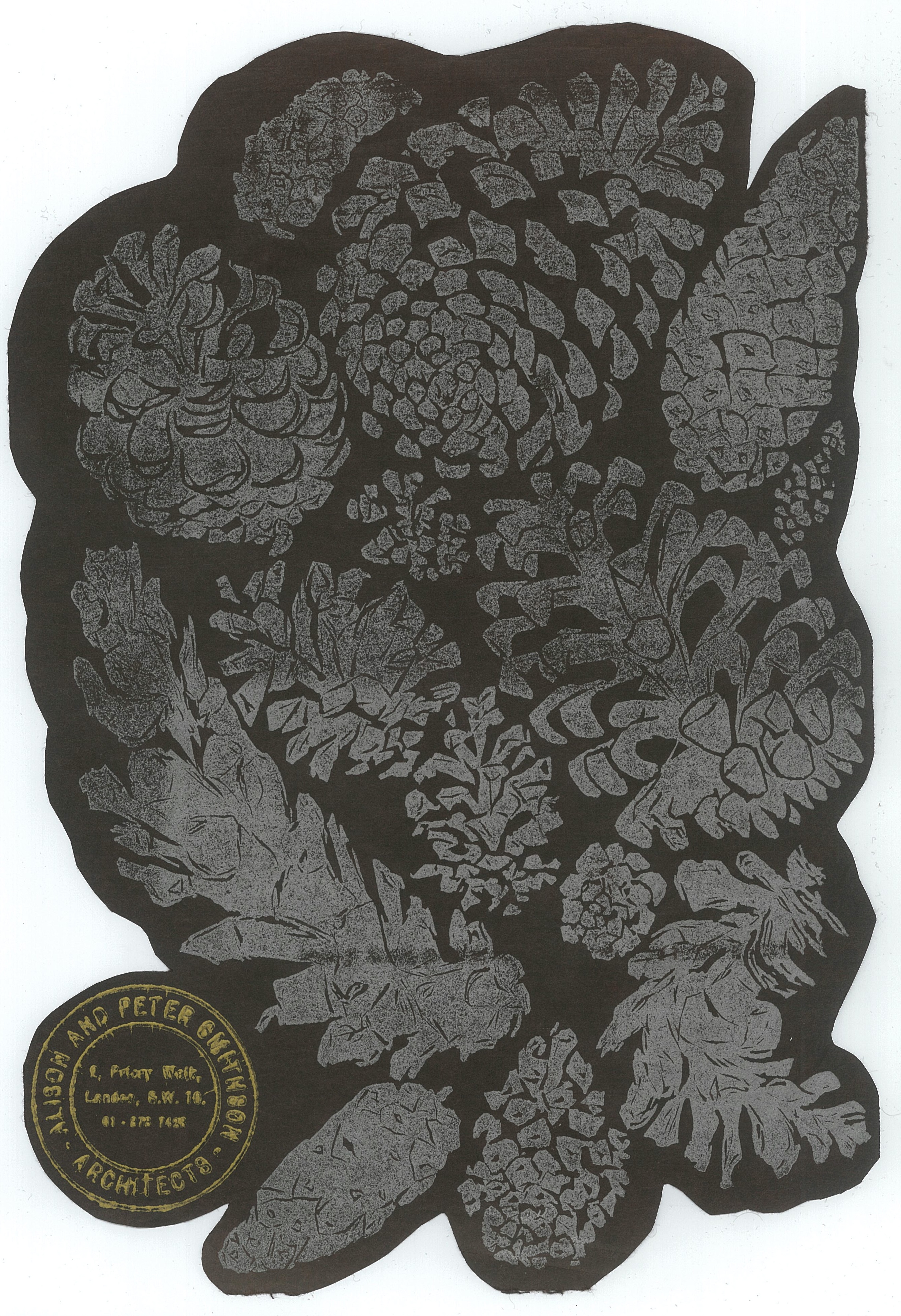
Alison Smithson, Christmas card 1970, lino print
(Image credit: © Smithson Family Collection)
“Come and cover the halls!” “Alison Smithson: Intertwining Life and Art” is on view at Roca London Gallery from December 5, 2025 to January 31, 2026