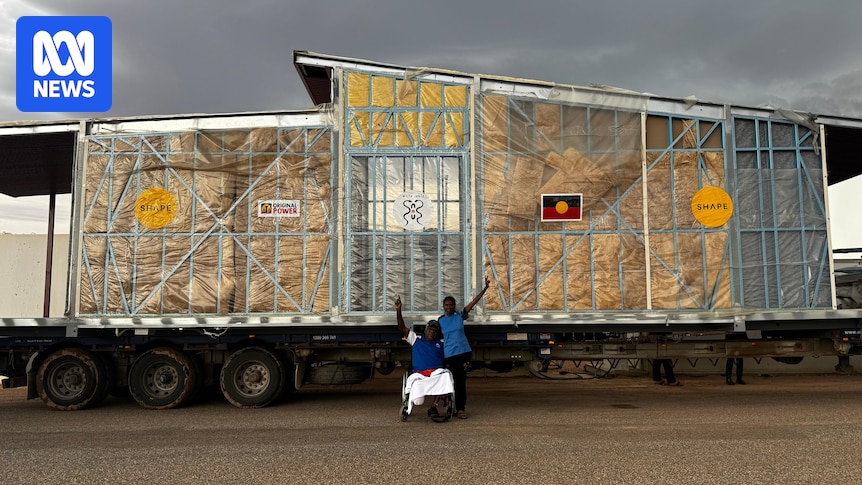
Five trucks rumble up the Stuart Highway, each carrying a piece of home.
Norman Frank, the traditional owner of Herrnungu, and his partner, designer Serina Morton, stand on the side of the road and wave as five prefabricated modules drive to Tennant Creek – pieces that will be screwed together in about a day before the house is completed on site in the coming weeks.
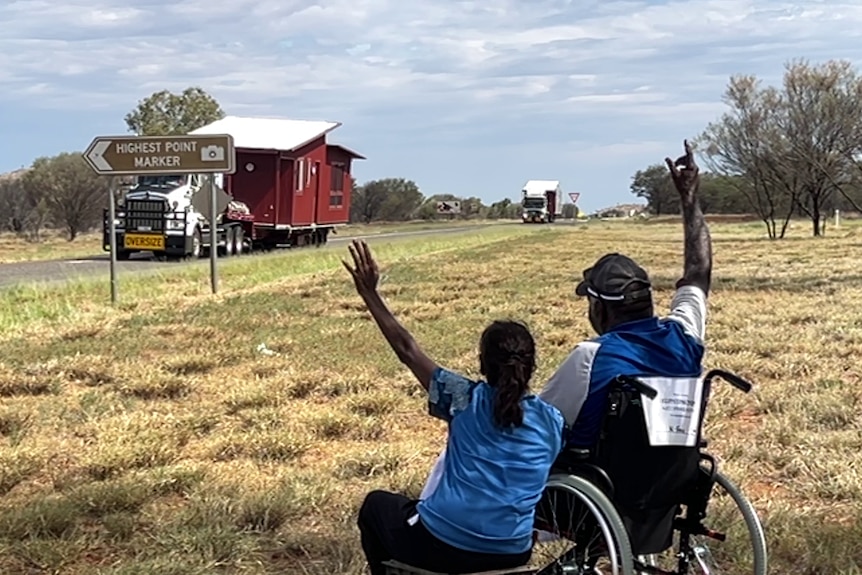
Serina Morton and Norman Frank greet the trucks as they arrive along the Stuart Highway. (ABC News: Chris Murrkarany Fitzpatrick)
The home they will build is the first of five new homes for Tennant Creek, with the other four scheduled to be installed next year.
Each home will be slightly different as each has been designed in collaboration with the specific family that will live in it.
“That's what we want to see across the NT… that our people aren't suffering in these homes and getting sick because of overcrowding,” Mr Frank said.
“We want to live in our country the way we want.“
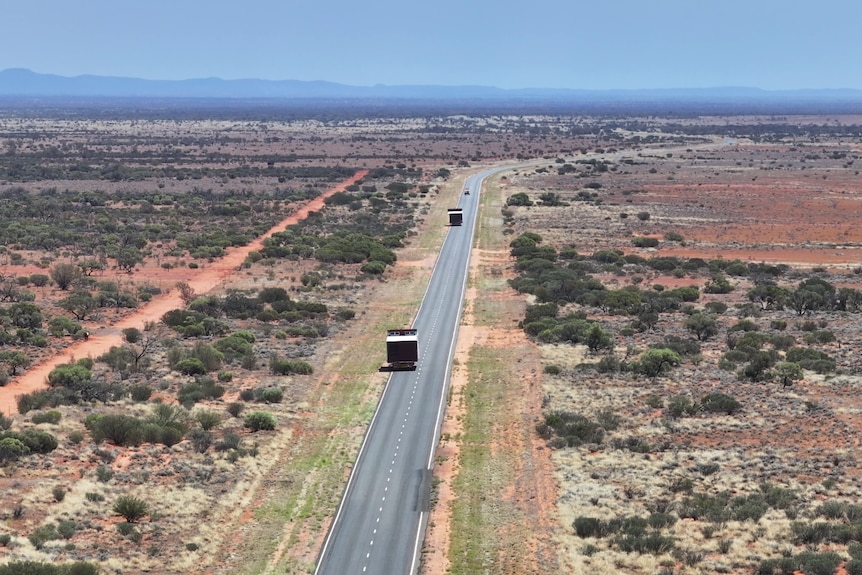
The first of Wilya Janta's Explain Homes, designed in collaboration with community members, has arrived in Tennant Creek from Adelaide via the Stuart Highway. (Delivered: Wilya Janta)
Culture-driven design built for large families
Five years ago, Mr Frank founded the Aboriginal-led housing initiative Wilya Janta to build what the organization calls “Explain Homes” – prefabricated homes designed with Tennant Creek residents to reflect the way families actually live.
Features include wide, shaded passageways, two porches creating separate spaces for men and women, two bathrooms to support culture avoidance, and an outdoor kitchen so hunting and cooking do not interfere with the living rooms.
The doorways are wider and access is shallower for the elderly and people with disabilities, and the house is oriented east to west in keeping with thewürungu tradition.
Serina Morton, who designed the prefabricated home, said the build was a dream come true after years of work.
“[There are] “two showers, two to three rooms… one kitchen inside and one outside… and two large dining rooms for the children and ourselves,” she said.
She added that the purpose of the collaborative design was to create spaces where people actually gather.
“We designed it ourselves,” she said.
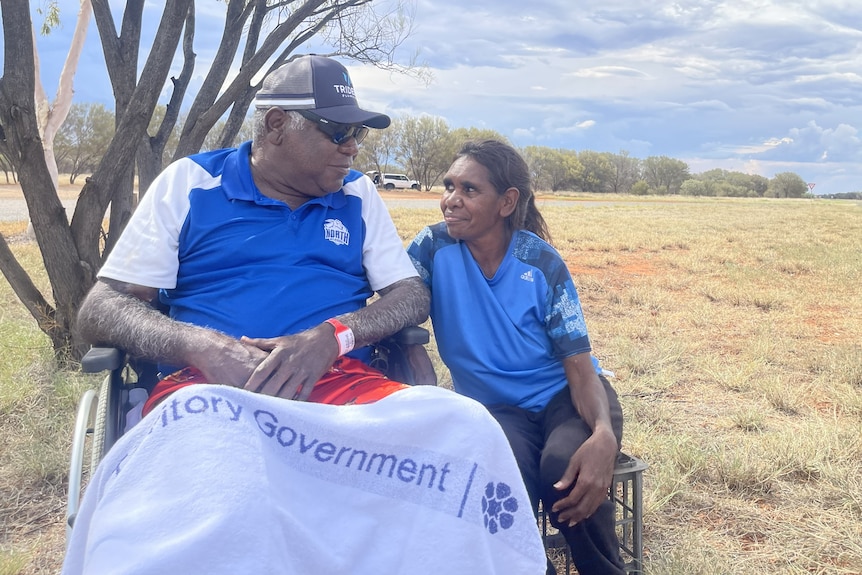
Frank Norman and Serina Morton say the new home took years to come together. (ABC News: Chris Marrkarany Fitzpatrick)
Heat, bills – and the design repair
Wilya Janta staff said the development was cost-competitive with traditional NT social housing, but more cost-effective to operate, combining high-efficiency, air-conditioned interior spaces with large, usable outdoor shade.
Simon Quilty, chief operations officer, said the incorrect design trapped heat and drove up electricity bills.
“Out here in the summer it can get hotter inside than outside if the design is wrong,” he said.
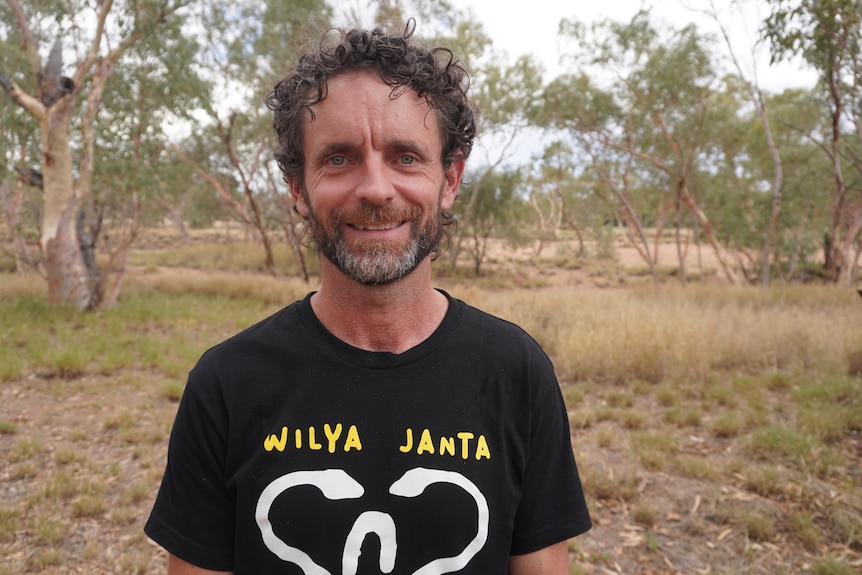
According to Simon Quilty, proper design is crucial to reducing heat in a home. (ABC News: Chris Marrkarany Fitzpatrick)
He said the new house model balanced cost and performance with input from CSIRO and architects.
“The upfront costs are about the same, but the long-term savings are extraordinary,” he said.
Solar on the roof, electricity in community ownership
The prefab is wired for rooftop solar and batteries, with Wilya Janta and its partners aiming to integrate the future homes into local energy systems.
“The technology is here and it will save families huge electricity bills,” said Dr. Quilty.
Across Australia in recent years, First Nations groups have coupled housing with community-controlled energy and built microgrids powered by solar and battery systems to enable more sustainable living.
Last year, the small remote community of Marlinja switched on an indigenously owned solar microgrid that connects every household. Residents reported bills had dropped by about 70 percent.
Chantelle Johns, Marlinja community liaison officer for Original Power, the organization that built the microgrid, said the move is about more than just dollars.
“The microgrid is already saving us money – creating local jobs, training and empowering the community to grow,” she said.
Wilya Janta worked with Original Power to install the solar power and battery systems in their Explain homes.
Staff said they hoped a microgrid system could also be possible for Tennant Creek in the future.
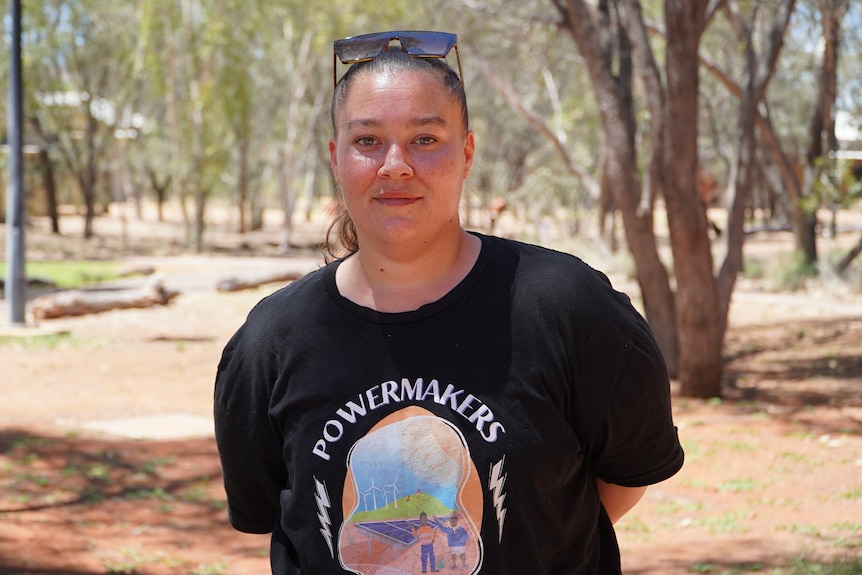
According to Chantelle Johns, the microgrid in Marlinja is saving the community money and creating local jobs. (ABC News: Chris Marrkarany Fitzpatrick)
Health is the focus
Overcrowding in homes in the Barkly area, where Tennant Creek is located, has been linked to infectious diseases and acute rheumatic fever in children.
Dr. Quilty said larger, smarter floor plans — like shaded common areas and more usable cold storage rooms — could help reduce crowding without breaking the budget.
“Our homes can accommodate many people when family visits for football, culture or funerals,” he said.
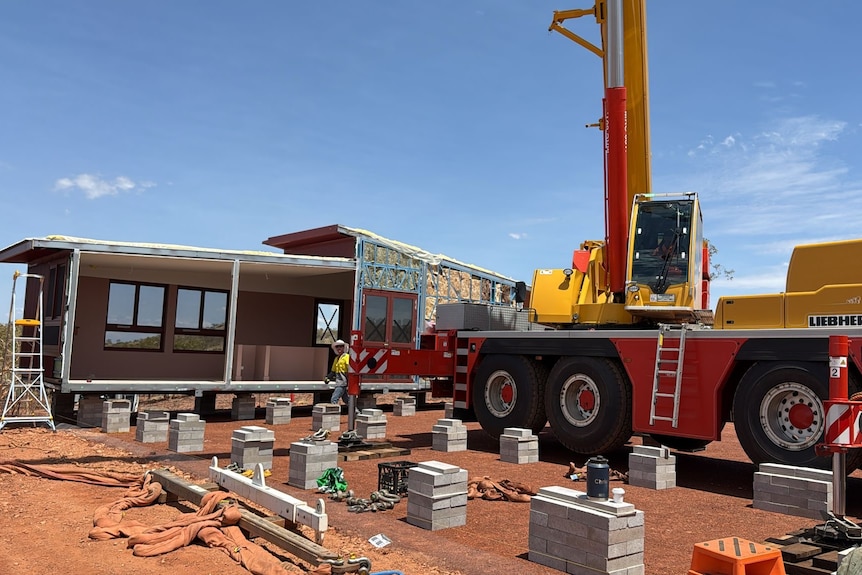
Once built, the modular home at Tennant Creek will be finished with brick and connected to water, electricity and other infrastructure – a process that takes about a month. (Delivered: Wilya Janta)
“Healthy homes close the gap…and when families design them, they work.”