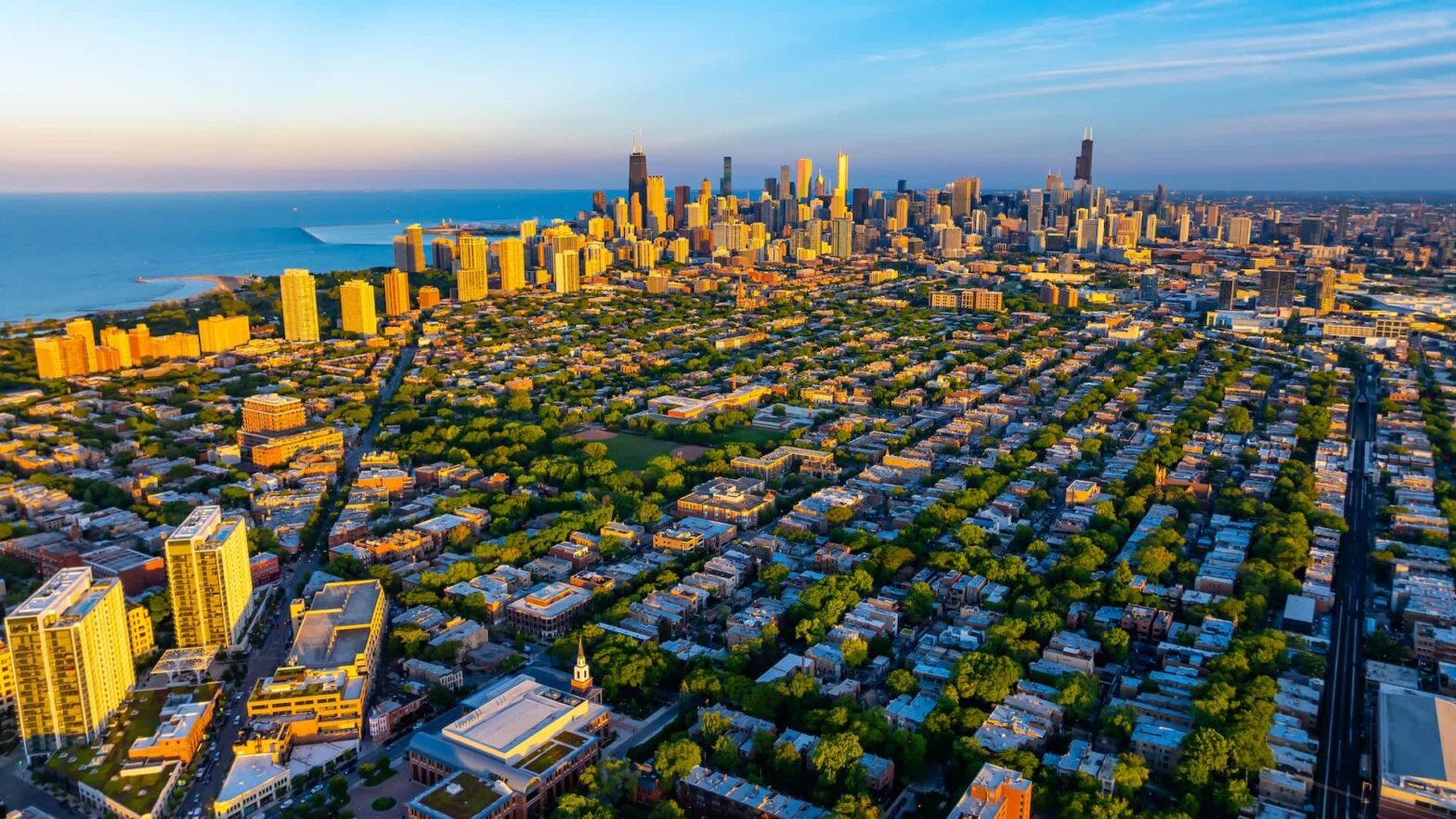
A Chicago man was fed up with the rising cost of living. So he decided to do something about it.
Homebuilder AJ Patton told Yale Climate Connections in October that he remembered “turning off the gas for a year” as a child [having] Boiling water to take a bath” because his family couldn’t afford the utilities.
Since then, he has seen too many others similarly struggle to afford essentials. This is one of the reasons he started Humboldt Park Passive Living. With construction beginning last May, the project will become an all-electric, passive-design residential building on Chicago's West Side.
The aim of passive houses is to achieve the highest level of energy efficiency. They use insulation, windows and shading in innovative configurations to maximize natural conditions to the home's advantage. This can help residents reduce the use of air conditioning and heating while improving indoor air quality and noise levels.
However, the benefits do not only last indoors. Shifting to cleaner, more renewable energy sources — and away from the fossil fuels that cause pollution caused by a warming planet — can also help improve outdoor air quality in the region. And at cheaper prices.
Patton's development will utilize solar energy to reduce electricity bills. Additionally, YCC stated, “48 of the building’s units will be reserved for residents earning less than 60% of the area median income.”

Embark on your next big adventure with a high-tech e-bike at an unbeatable price. Upway saves you up to 60% off retail prices from top brands like Specialized, Aventon, Cannondale and many more.
And this holiday season, get an extra $1,500 off your perfect vehicle, from electric city cruisers and cargo vehicles to mountain bikes and road racing bikes.
|
Humboldt Park Passive Living represents a growing push for affordable, sustainable homes in the United States, where an ongoing housing crisis is driving up prices and pushing families to their limits. Projects like Patton's show that energy-efficient construction can be possible, financially viable, and potentially lead to broader systemic change.
The project will be “the largest Passive House project” in the city’s history, Patton told YCC, and is sure to turn heads in Chicago and beyond. If lawmakers take note, policy improvements to promote cleaner, more affordable construction methods may not be far away.
💰Get TCD's free newsletters with simple tips to save more, waste less and make smarter decisions – and earn up to $5,000 on clean upgrades in TCD's exclusive Rewards Club.
