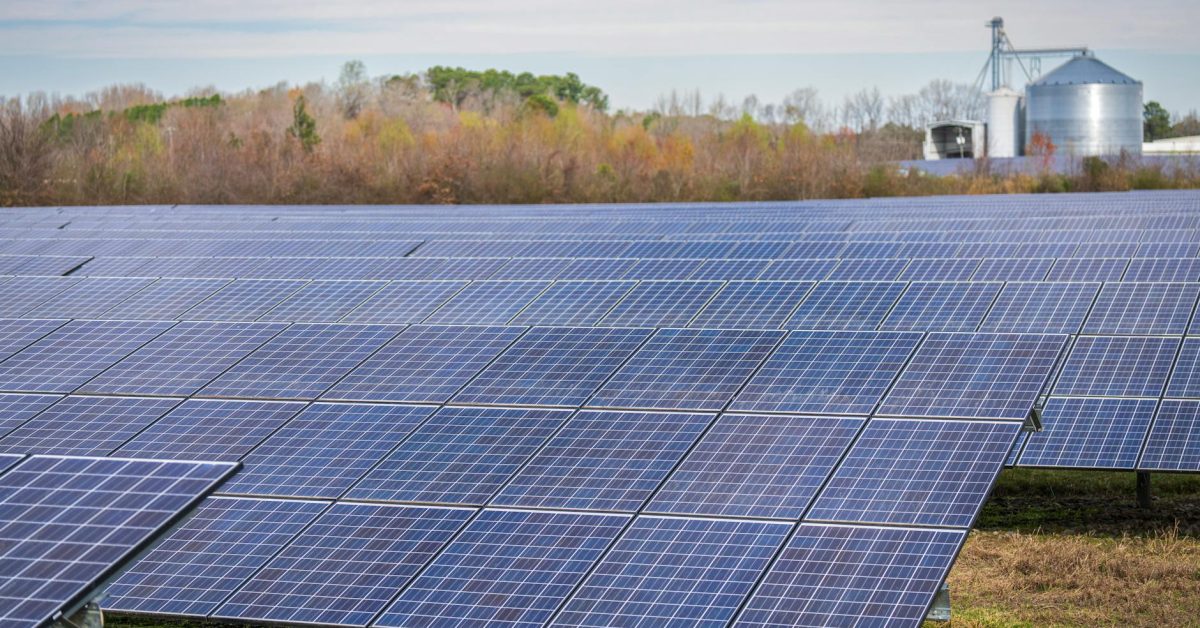
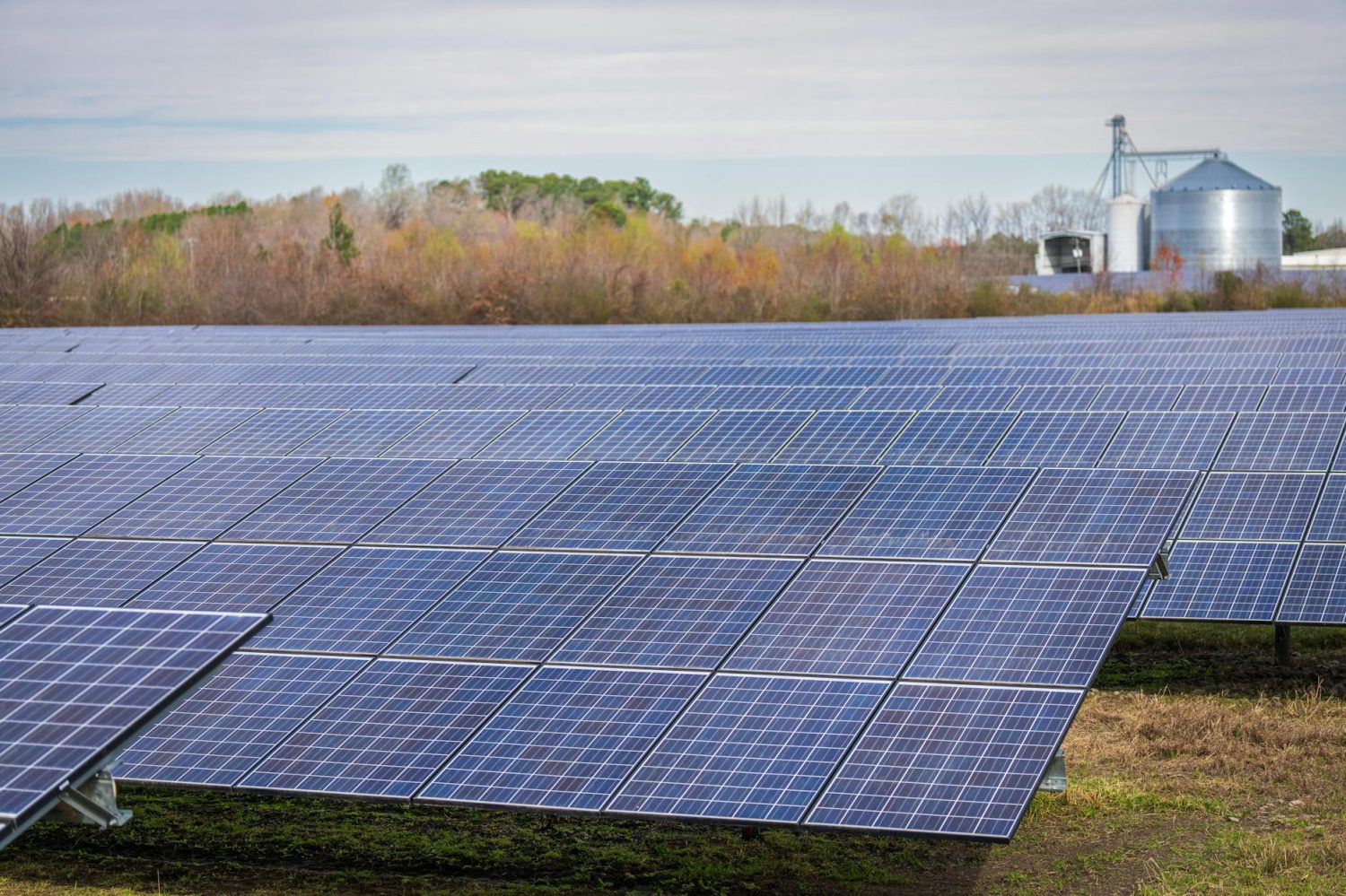
Photo by Mark Stebnicki on Pexels.com
US Energy Information Administration (EIA) data released Nov. 25 and reviewed by the SUN DAY Campaign shows that in the first nine months of 2025 and last year, solar and battery storage dominated growth among competing energy sources, while fossil fuels and nuclear power stagnated.
Solar set new records in September
EIA's latest Electric Power Monthly report (with data through September 30, 2025) reaffirms that solar energy is the fastest-growing source of electricity in the United States.
In September alone, utility-scale solar power generation (>1 megawatt (MW)) increased by well over 36.1% compared to September 2024, while “estimated” small-scale (e.g. rooftop) solar PV increased by 12.7%. Together, they grew 29.9% and supplied 9.7% of U.S. electricity production for the month, up from 7.6% a year earlier.
Additionally, generation from utility-scale solar thermal and photovoltaic systems increased by 35.8%, while generation from small-scale systems increased by 11.2% in the first nine months of 2025 compared to the same period in 2024. The combination of solar thermal and utility-scale small systems increased 29.0%, generating just over 9.0% (utility systems: 6.85%; small systems: 2.16%) of total U.S. energy generation in January through September, up from 7.2% a year ago.
And for the third straight month, large-scale solar installations generated more electricity than U.S. wind farms: by 4% in July, 15% in August and 9% in September. Including small installations, solar energy has outperformed wind energy for five months in a row, doing so by over 40% in September.
Wind is the leader among renewable energies
Wind turbines across the U.S. produced 9.8% of U.S. electricity in the first nine months of 2025 – an increase of 1.3% compared to the same period last year and 79% more than the amount generated by U.S. hydroelectric plants.
In the first nine months of 2025, electricity generation from wind and large-scale and small-scale solar accounted for 18.8% of total U.S. electricity, up from 17.1% in the first three quarters of 2024.
Wind and solar power combined provided 15.1% more electricity than coal and 9.8% more than U.S. nuclear power plants in the first nine months of this year. In fact, nuclear power generation fell 0.1% as solar and wind power increased.
Renewable energies are now only second to natural gas
The mix of all renewable energies (wind, solar, hydro, biomass and geothermal) produced 8.7% more electricity from January to September than a year ago and provided 25.6% of total U.S. electricity production, compared to 24.2% twelve months earlier.
The share of renewable energy in electricity generation is now second only to that of natural gas, whose electricity production fell by 3.8% in the first nine months of 2025.
Solar + storage have dominated 2025
Between October 1, 2024 and September 30, 2025, utility-scale solar capacity grew by 31,619.5 MW, while an additional 5,923.5 MW was provided by small-scale solar installations. EIA expects solar growth to continue strong, with an additional 35,210.9 MW of utility-scale solar capacity expected to be added over the next 12 months.
Battery storage also saw strong growth, increasing by 59.4% last year and adding 13,808.9 MW of new capacity. EIA also notes that planned battery capacity expansion next year totals 22,052.9 MW.
Wind power has also been strong in the last 12 months, with an increase of 4,843.2 MW, while the planned capacity addition next year totals 9,630.0 MW (onshore) plus 800.0 MW (offshore).
In contrast, natural gas capacity only increased by 3,417.1 MW and nuclear power increased by 46.0 MW. Meanwhile, coal capacity fell by 3,926.1 MW and petroleum-based capacity fell by a further 606.6 MW.
Last year, renewable energy capacity, including battery storage, small-scale solar, hydro, geothermal and biomass, increased by 56,019.7 MW, while the capacity of all fossil fuels and nuclear energy combined actually fell by 1,095.2 MW.
The EIA expects this trend to continue and accelerate over the next 12 months. Utility-scale renewables and battery storage are forecast to increase by 67,806.1 MW (a forecast for small-scale solar is not provided). Meanwhile, natural gas capacity is expected to increase by only 3,835.8 MW, while coal capacity is expected to decrease by 5,857.0 MW and oil capacity is expected to decrease by 5.8 MW. EIA forecasts no new growth in nuclear power next year.
Ken Bossong, Executive Director of the SUN DAY Campaign, said:
The Trump administration's efforts to boost nuclear power and fossil fuels are failing. Capacity growth in solar, wind and battery storage continues to significantly exceed capacity growth in gas, coal and nuclear power, with increasing margins.
Read more: RRP: Solar + storage dominate, fossil fuels stagnate until August 2025

If you want to replace your old HVAC equipment, it is always a good idea to get quotes from a few installers. To ensure you find a trustworthy, reliable HVAC installer in your area who offers competitive heat pump pricing, shop around EnergySage. EnergySage is a free service that makes purchasing a heat pump easier. They have pre-vetted heat pump installers competing for your business to ensure you receive high quality solutions. Plus, it's free to use!
You can easily compare your individual heat pump offers online and get access to unbiased energy advisors who will support you every step of the way. Get started Here. – *ad


FTC: We use income generating auto affiliate links. More.